What rekeying changes
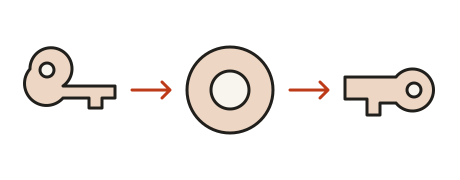
Rekeying changes the internal key arrangement of a compatible lock so it works with a different key. The existing handle and much of the hardware can stay. A key that no longer matches that arrangement should no longer operate that cylinder.
It does not make a worn latch new or correct a door that has dropped against the frame. If the lock is already difficult to use, describe that as well as the reason you want a new key.
Count the locks, then think about the keys
A house can have more keyed openings than you first remember: side doors, a garage-entry door and gates may each have their own hardware. Decide which should share access and which should remain separate. The cylinders need to be compatible before one key can serve them all.
LockReach can discuss rekeying after a move, a missing-key concern or a change in who should have access. For a rental or managed property, permission and key arrangements need to be settled with the responsible person first.
When replacement is the better conversation
Some hardware is damaged, incompatible or no longer suited to the opening. A restricted key system may also need its authorized supplier. These are reasons to check the actual locks rather than decide solely from a photo or key count.
A quote can depend on the number and type of cylinders, whether working keys are available and whether repair is needed alongside rekeying. Our estimate guide explains why those details should be agreed before the work begins.
Before you decide.
Can rekeying repair a lock?
It changes the working key. A separate mechanical problem with the latch, cylinder or door still needs attention.
Can you make different brands use one key?
Only where their key systems and cylinders are compatible. An inspection may show that some hardware needs another option.